What is a Medina?
The medina is the historic center of Moroccan cities and represents the heart of their cultural and traditional life. It is an ancient area, often surrounded by walls, characterized by a maze of narrow alleyways, lively markets (souks), artisan workshops, and historic buildings such as mosques, madrasas, and hammams. Within the medina you can also find the typical riads, traditional houses built around an inner courtyard. Even today, the medina remains a vibrant place where history, commerce, and everyday life come together, offering visitors an authentic experience of Moroccan culture.
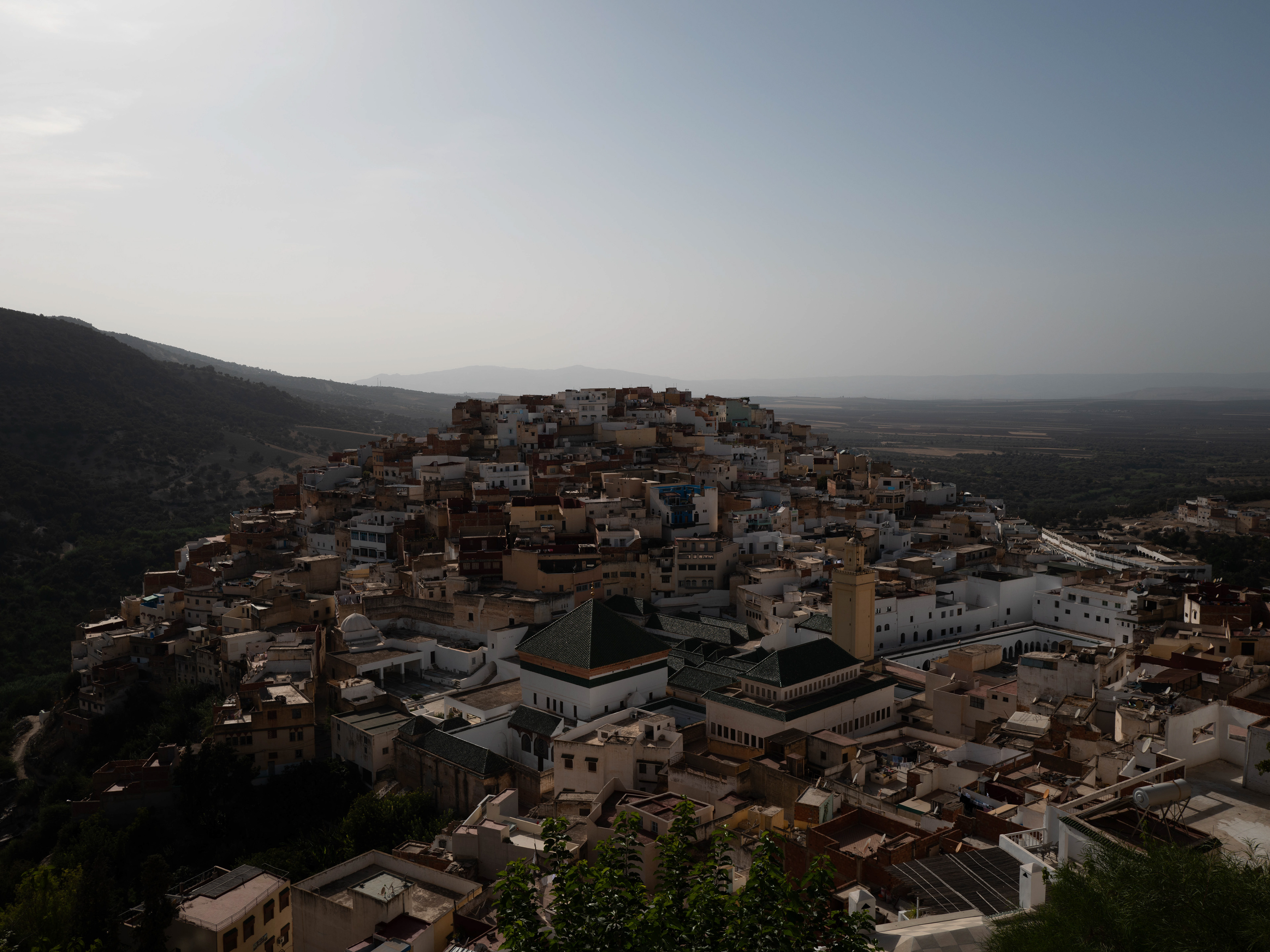
City of Moulay Idriss Zerhoun
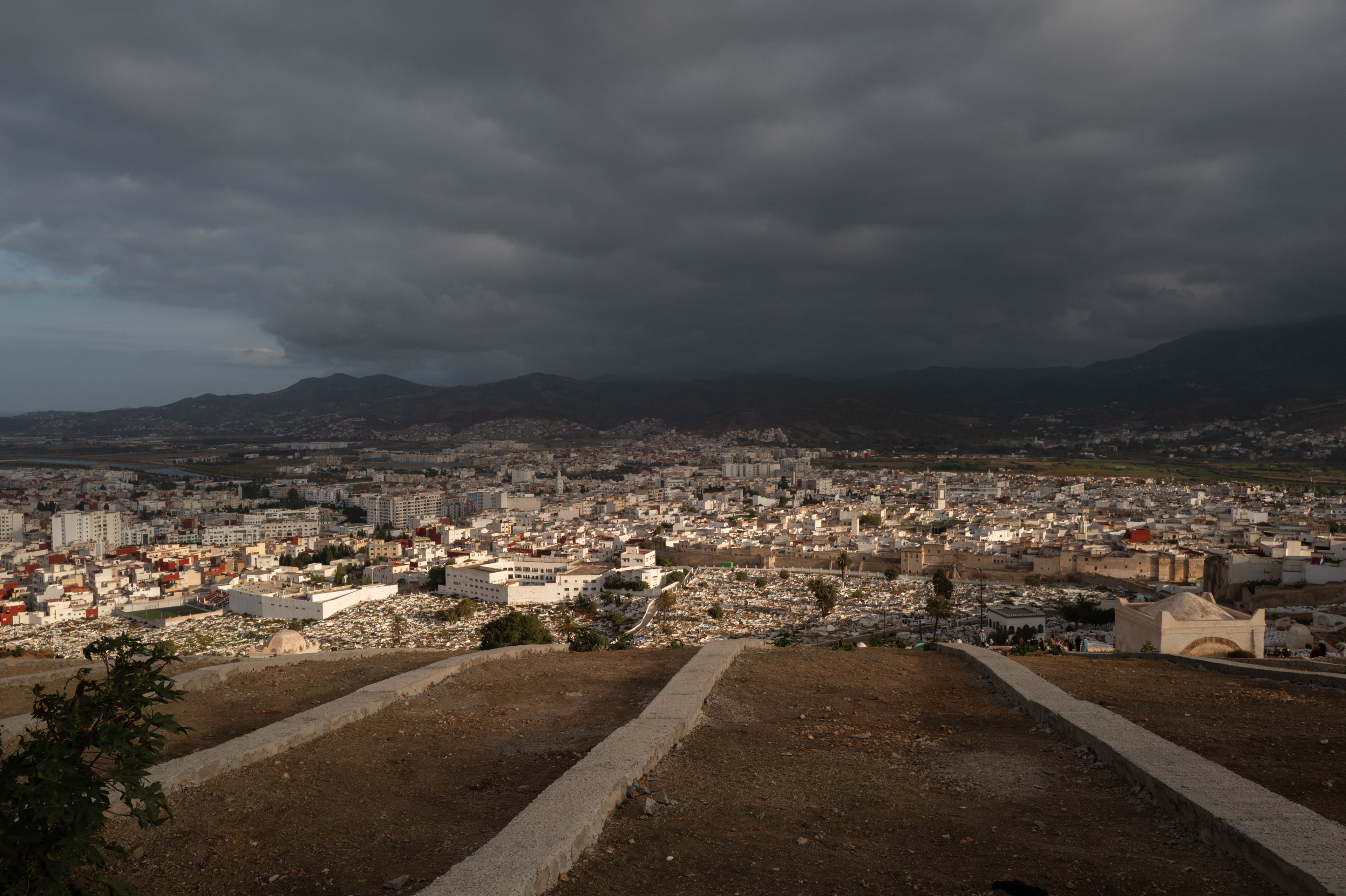
Prefecture of Tétouan, view from the top of the city cemetery
Inside Moroccan medinas live local families, artisans, and shopkeepers who run workshops and stores, as well as elders and young people who keep the neighborhood life vibrant. In some medinas, especially the more touristy ones, there are also foreigners and managers of renovated riads. Medinas are not just historic sites, but living neighborhoods where tradition and daily life intertwine.
Artisans
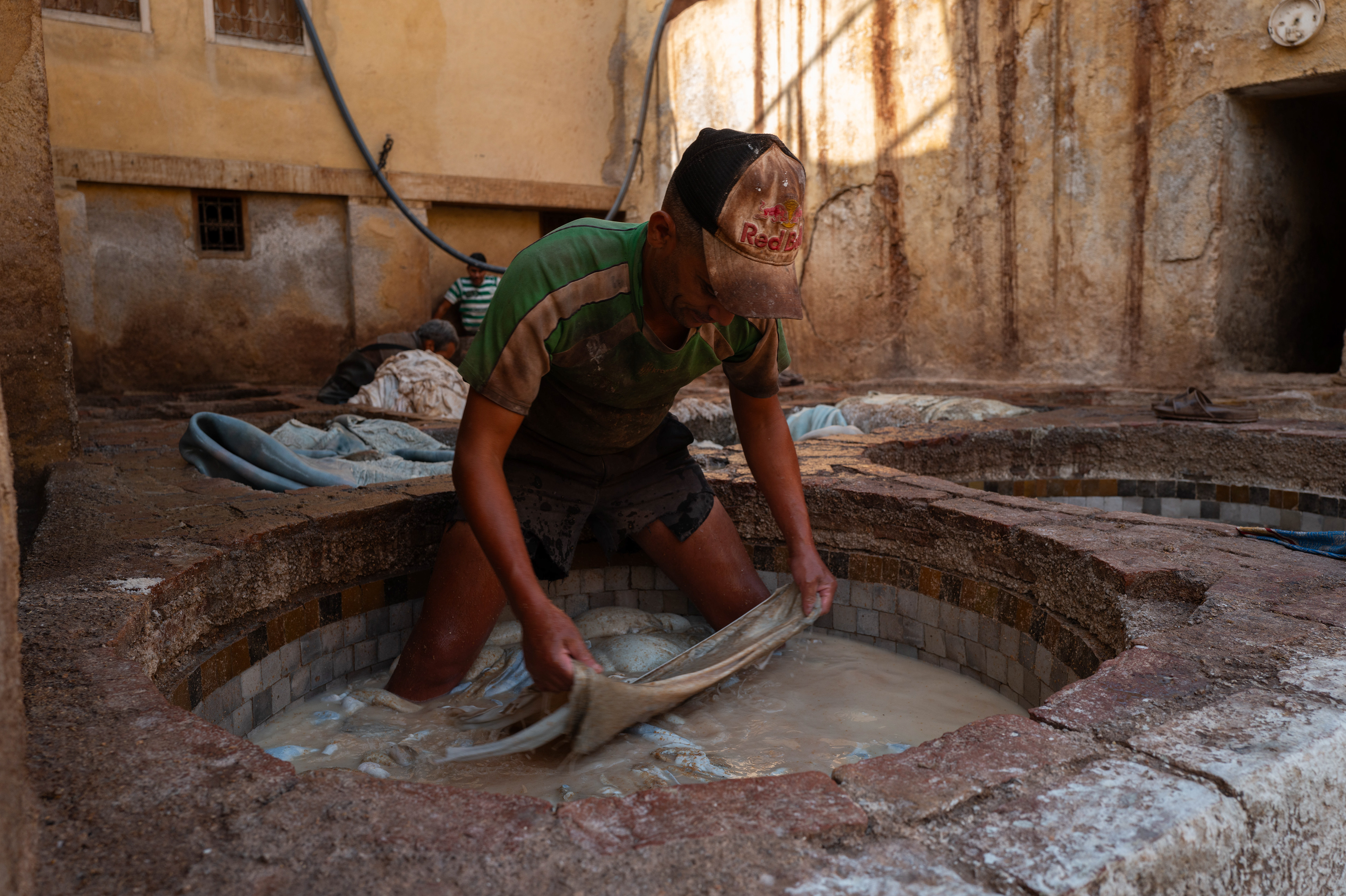
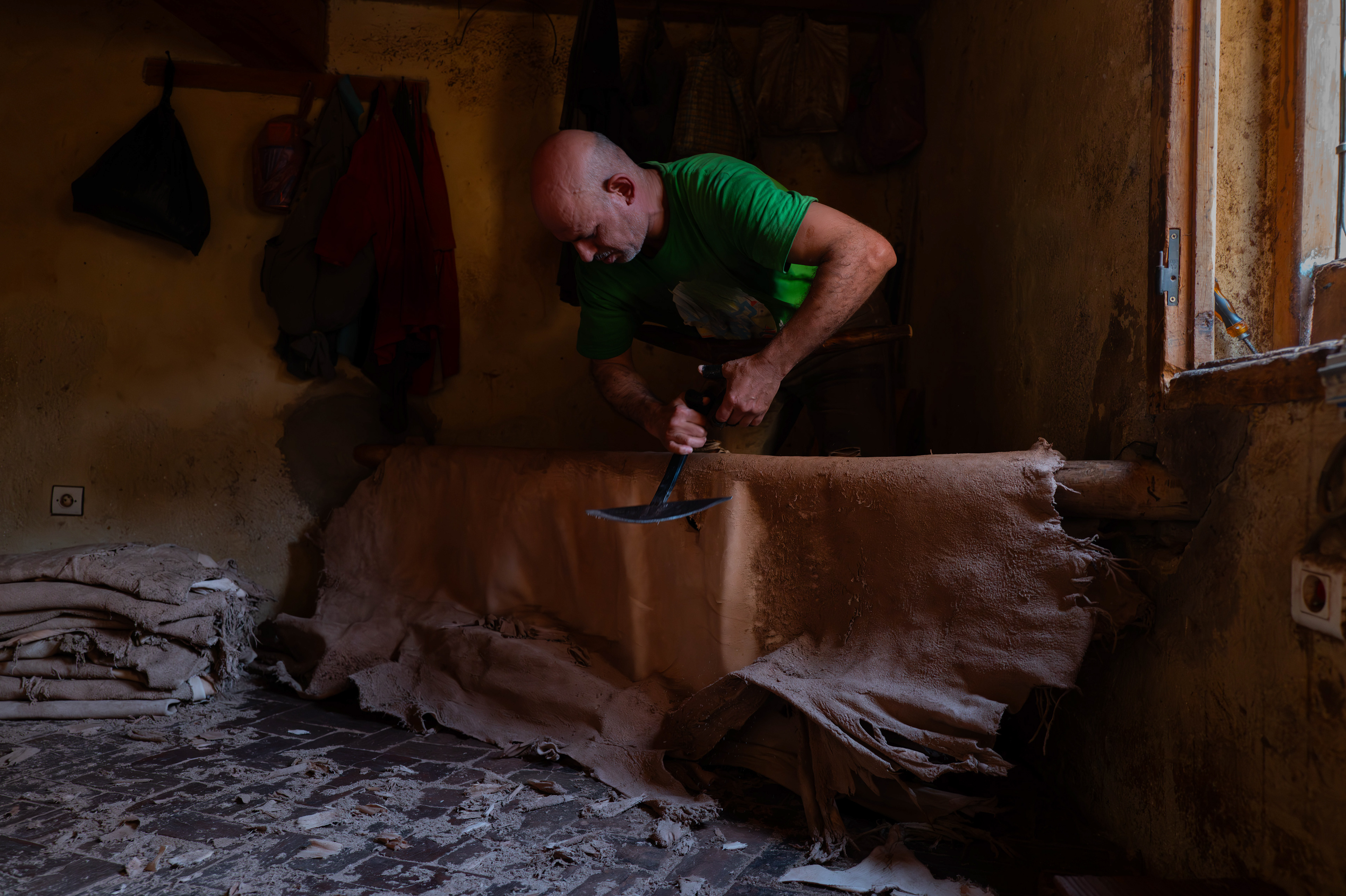
The artisans of the medinas work with leather, weaving, dyeing, metalwork, ceramics, jewelry, carved wood, and the production of decorative and everyday items. In the tanneries of cities like Fes, for example, cow, sheep, goat, and camel hides are treated and transformed into bags, shoes, sandals, and other leather goods sold in the souks.
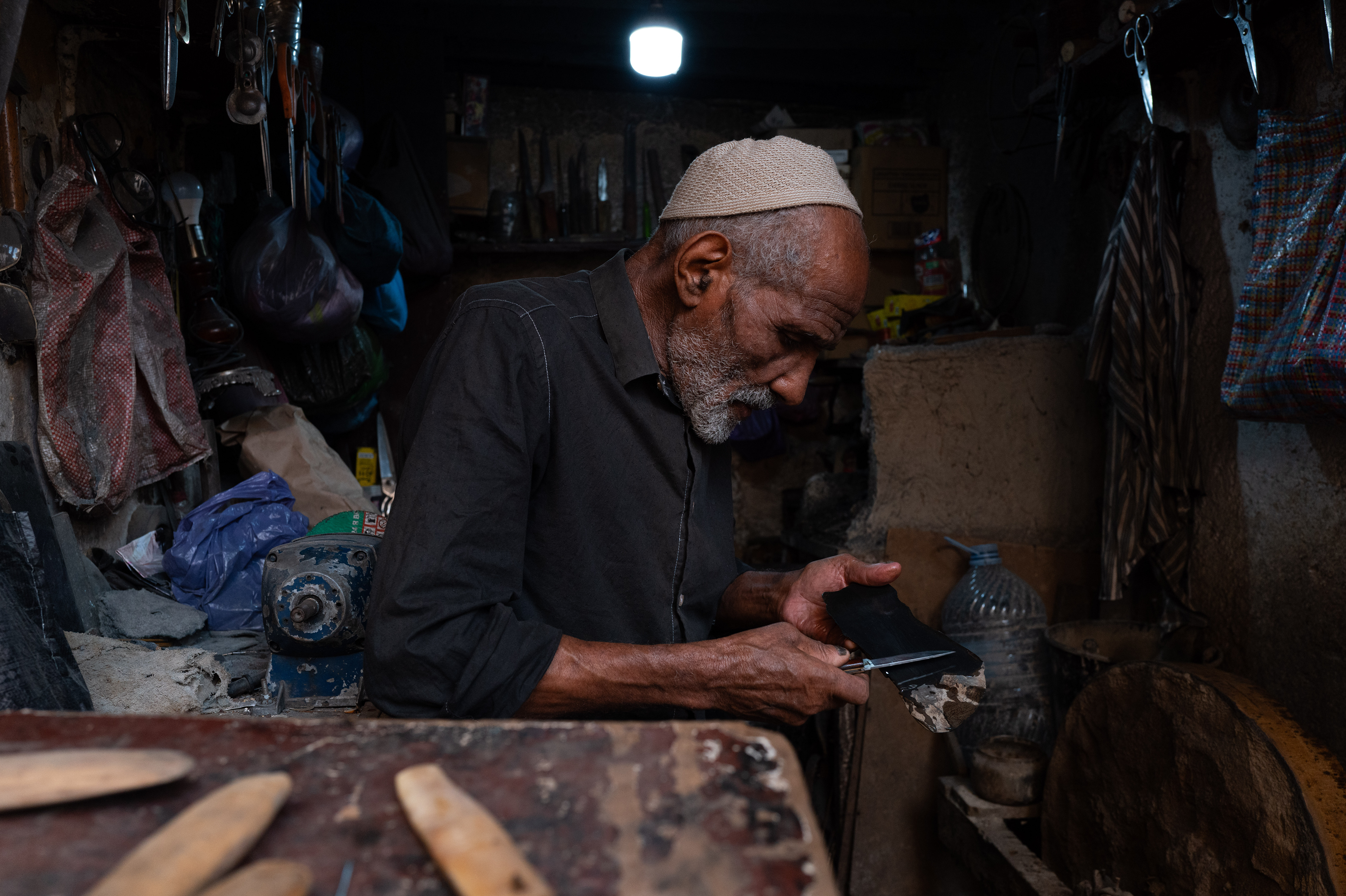
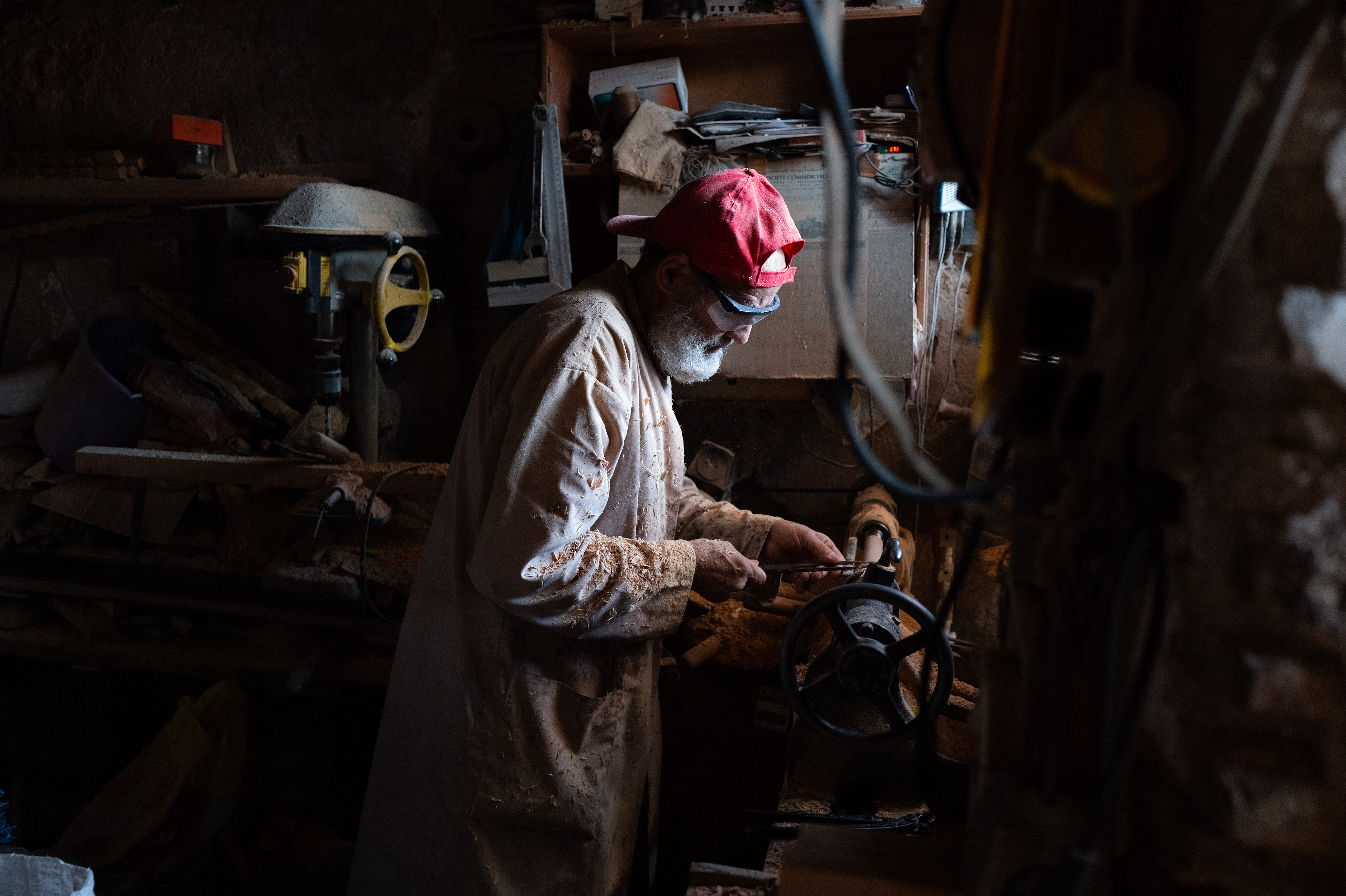
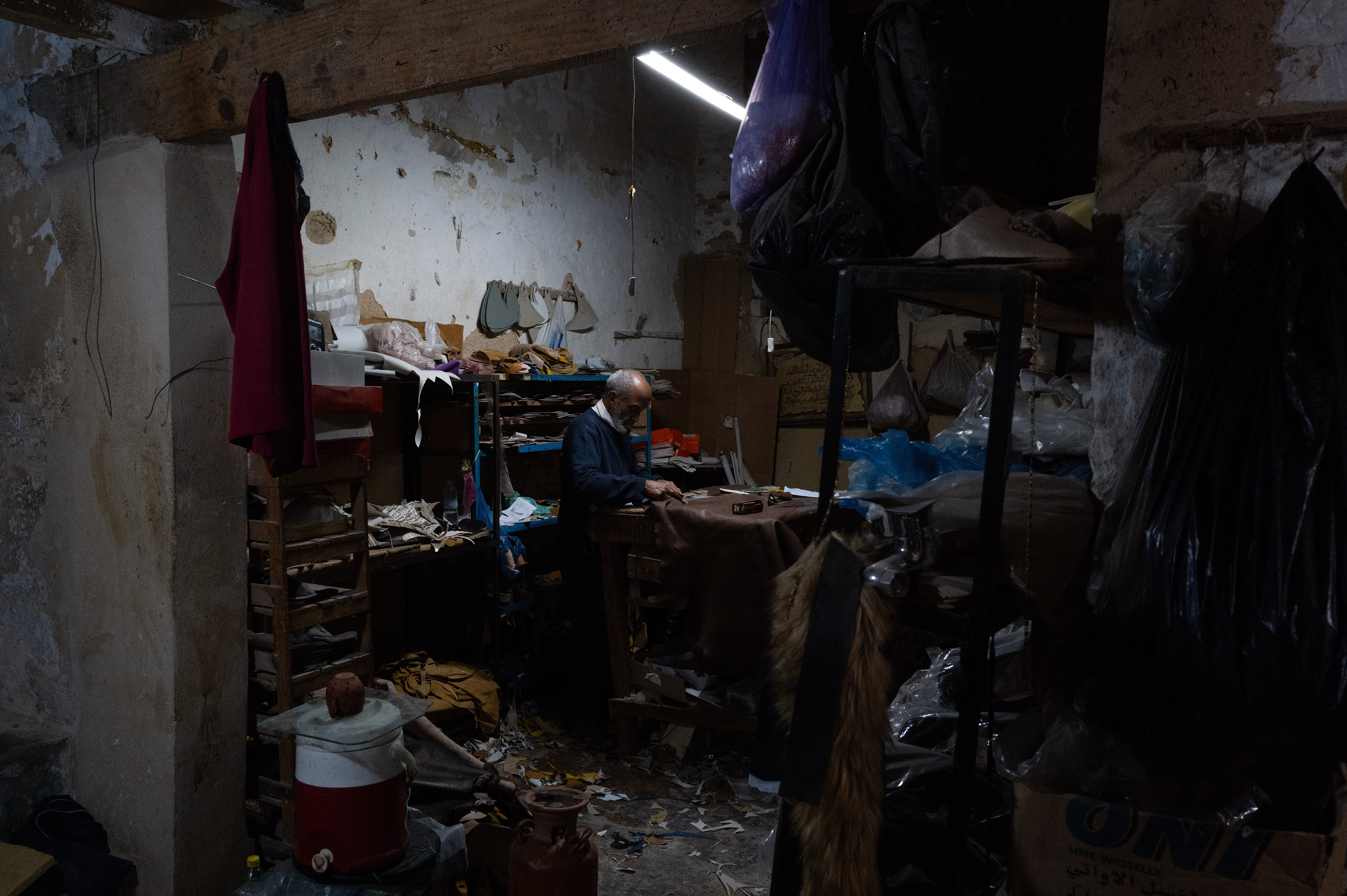
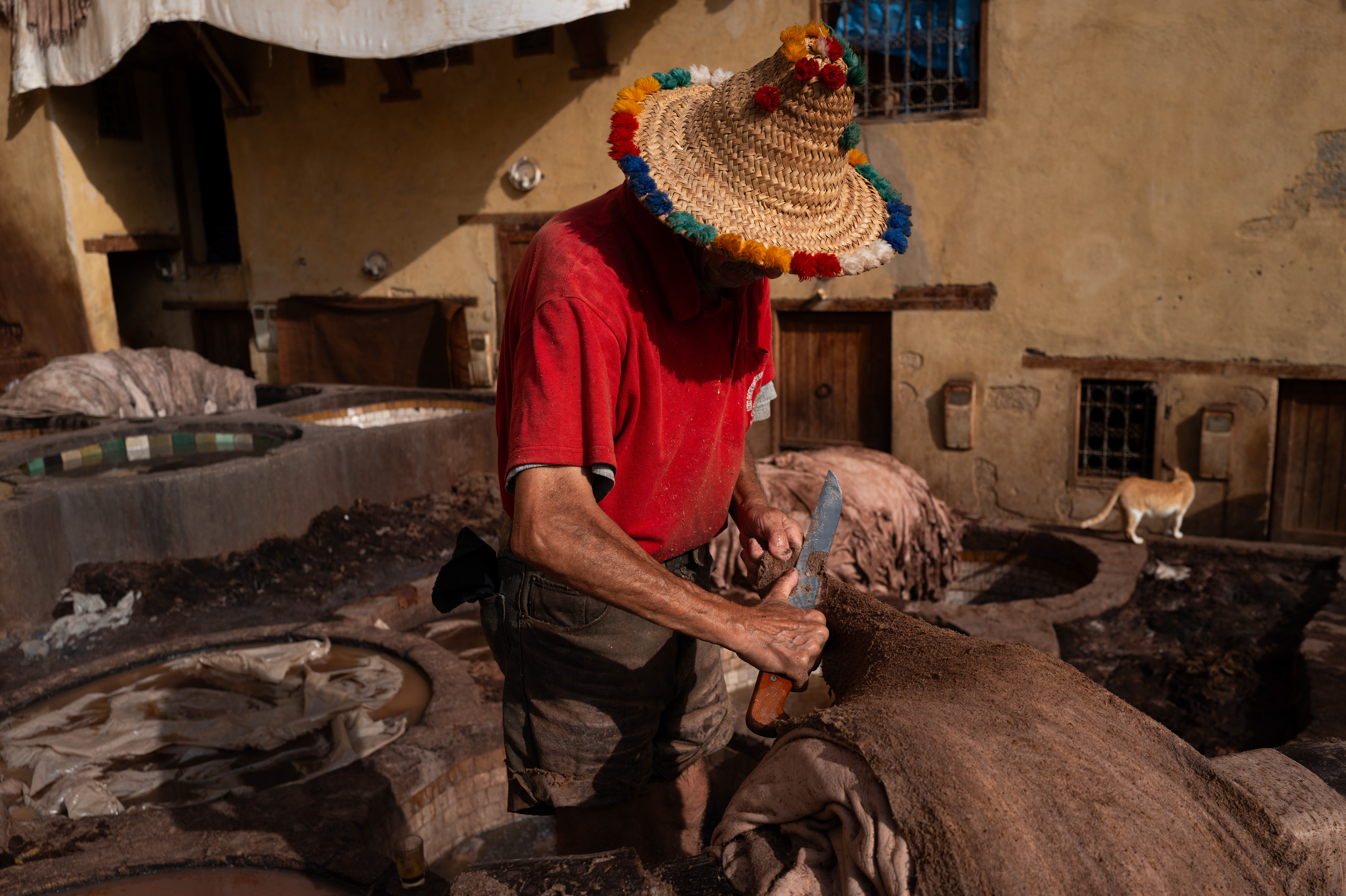
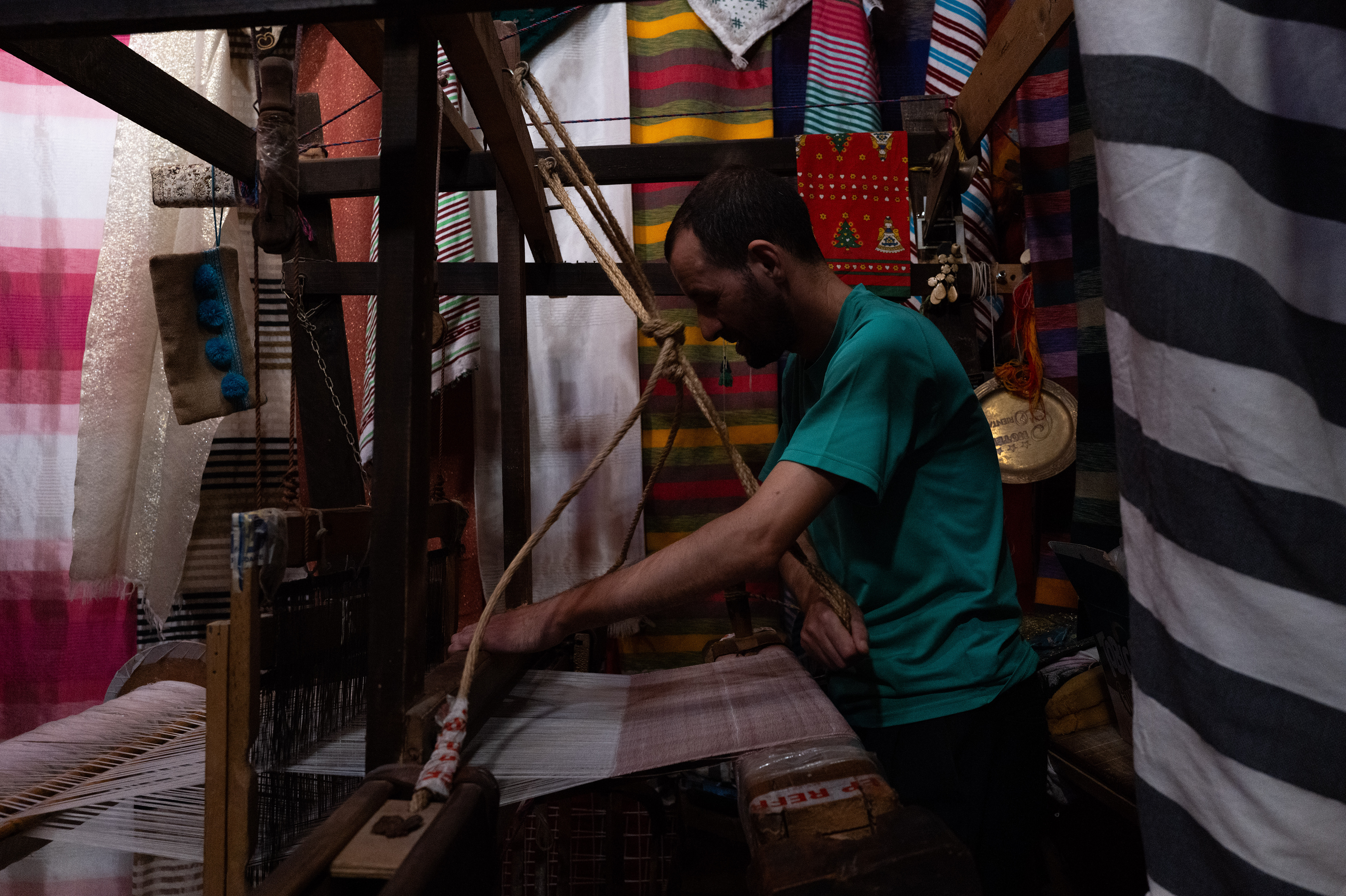
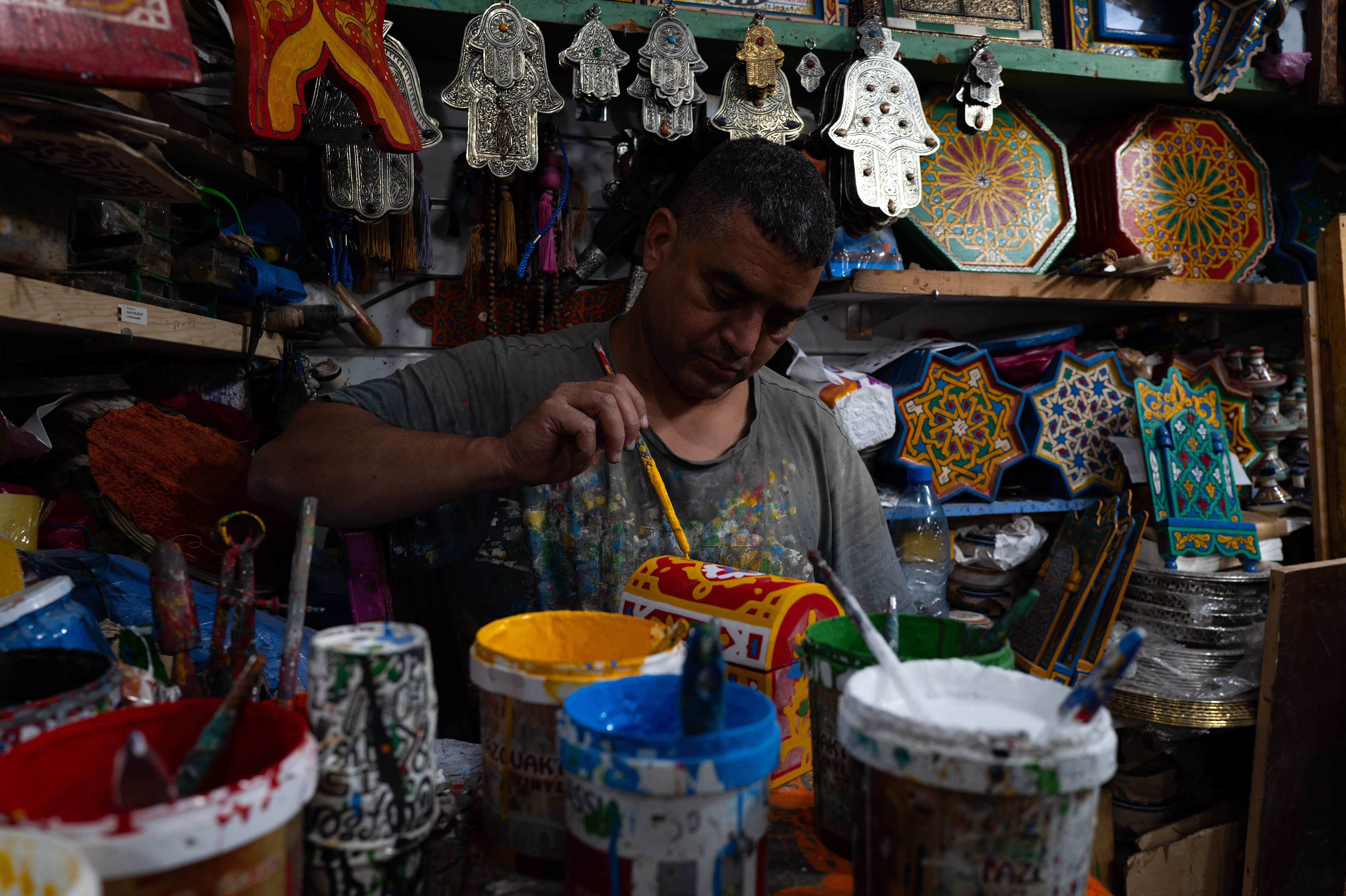
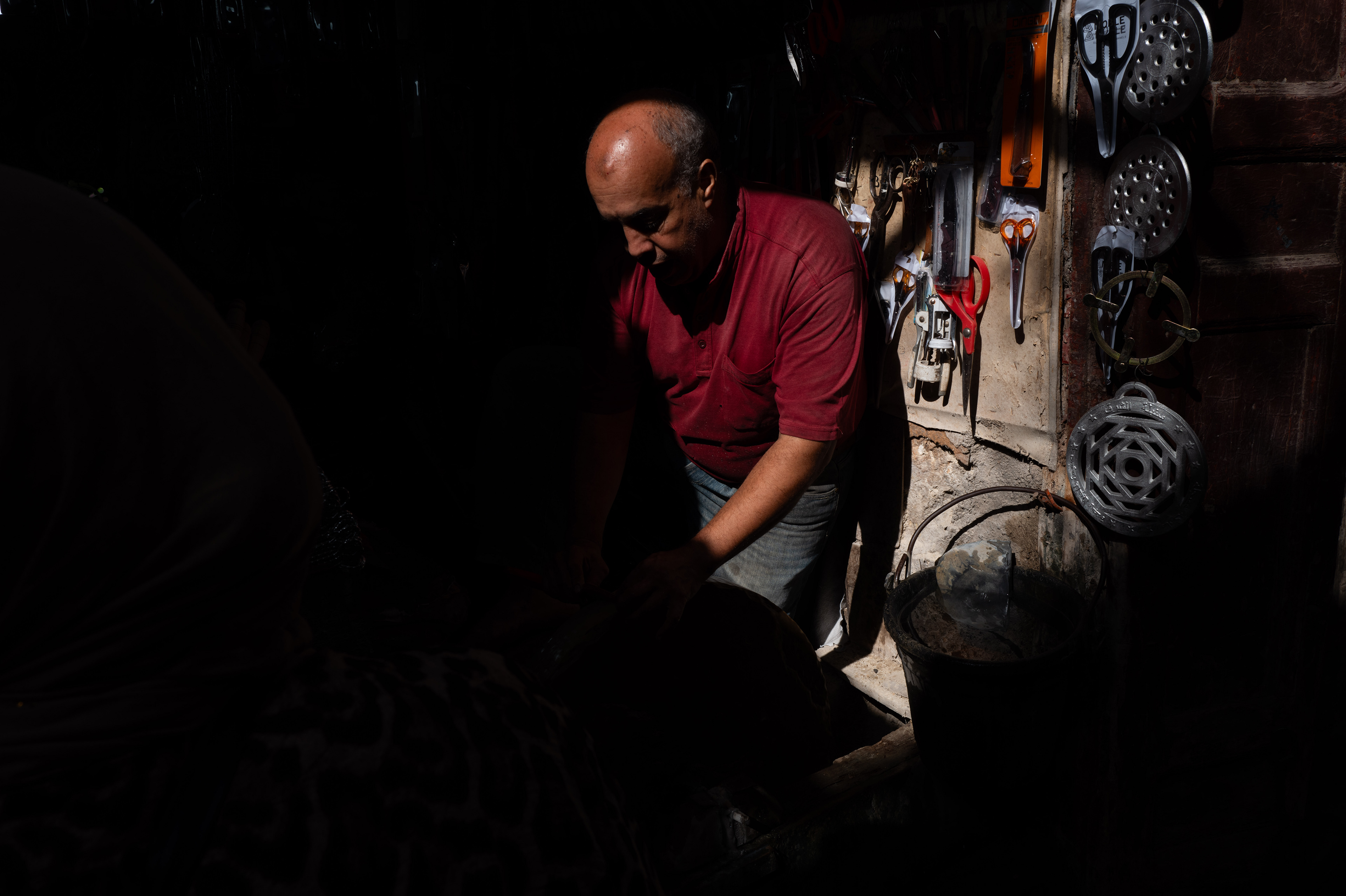
Many artisans are part of the informal economy, without stable contracts or real protections, and rely heavily on tourist traffic and their ability to sell directly to customers. The cost of living in the medinas is lower than in Europe, but working conditions can be tough: long days, sometimes unhealthy environments (such as in the tanneries), and irregular incomes that vary depending on the season and tourism.
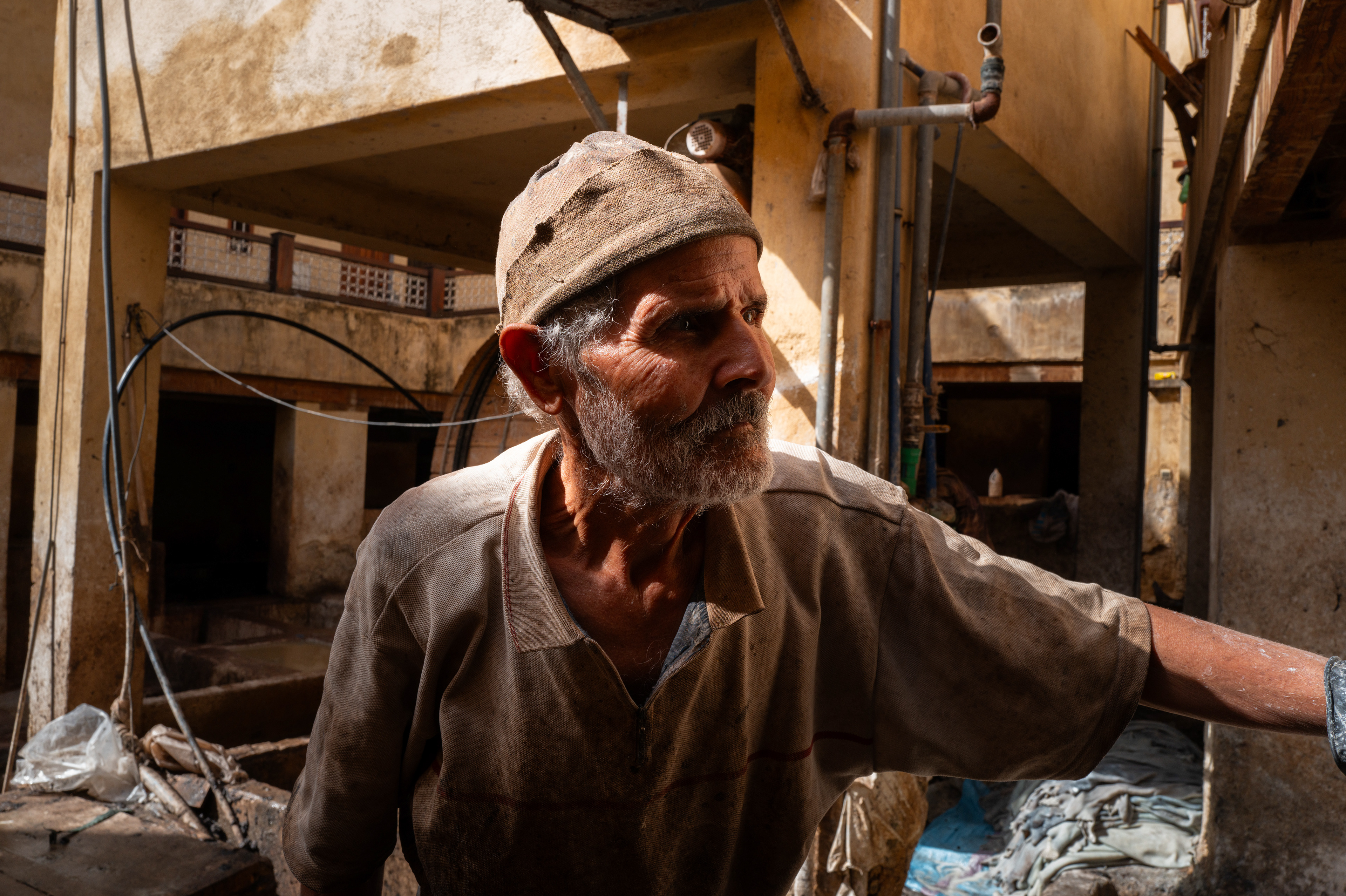
Leather worker in the tanneries of Fes
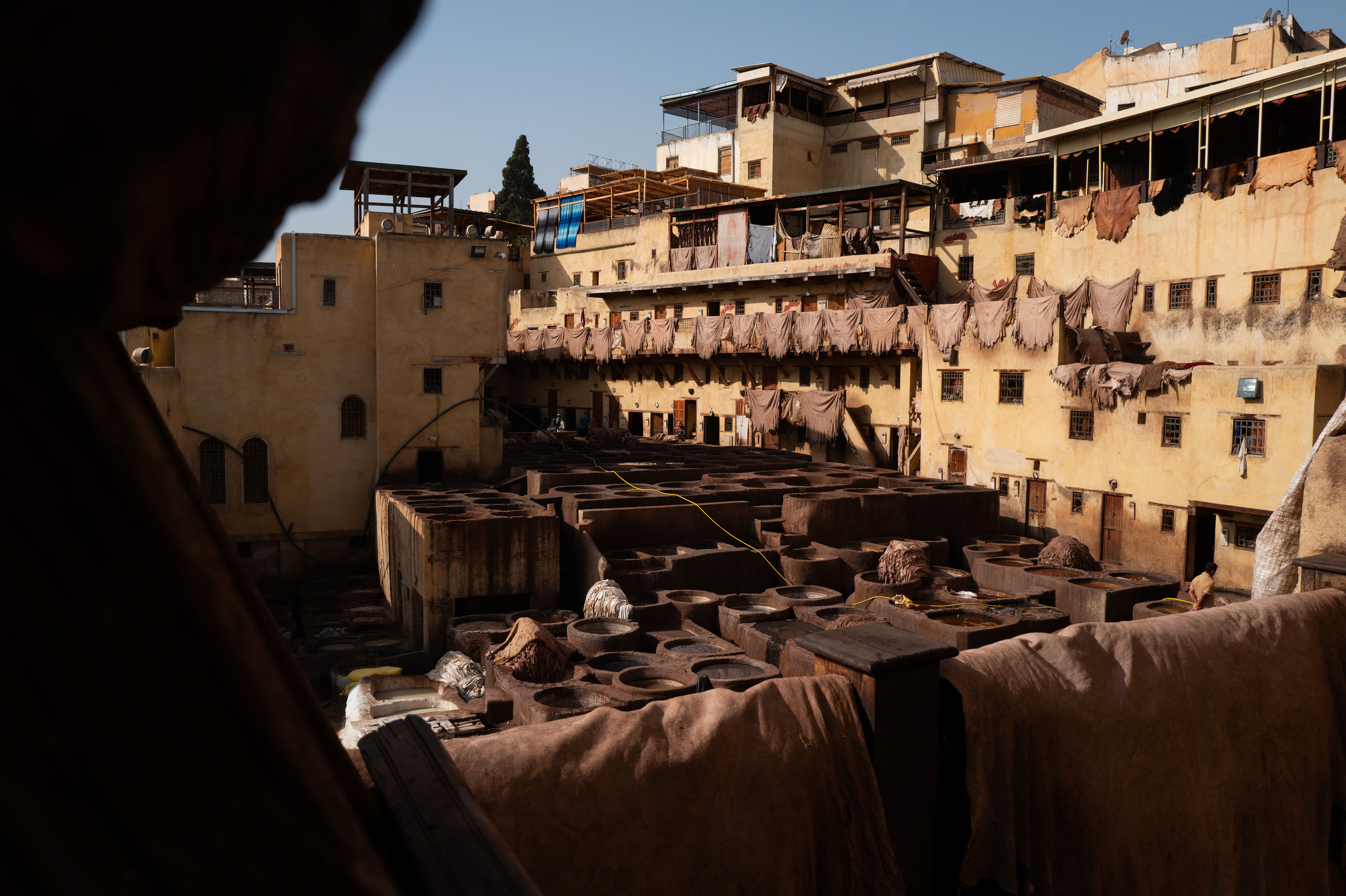
Tanneries of Fes
The tanneries of Fez, Morocco, are famous for being among the oldest and most traditional in the world. Active for about 900 years and located in the historic medina of Fez, a UNESCO World Heritage site, they are home to a remarkable artisanal tradition.
Here, more than 500 craftsmen manually process hides in over 1,200 stone vats.
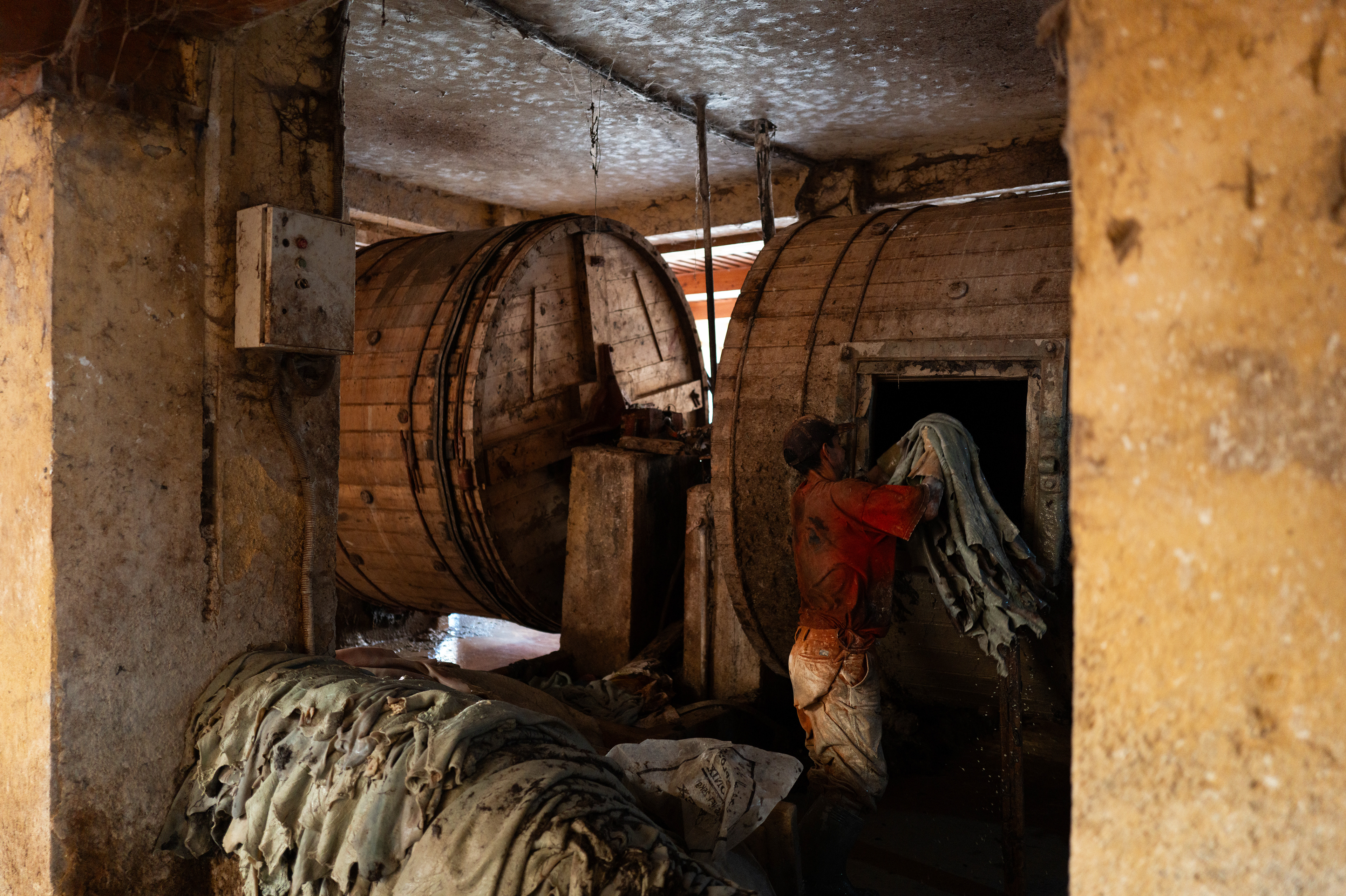
Life for the workers in the Fez tanneries is extremely hard and steeped in tradition, with leatherworking methods dating back to the Middle Ages. The tanners work by hand in the stone vats using mixtures of cow urine, lime, water, and salt, followed by water and pigeon droppings to soften the hides
Here, more than 500 craftsmen manually process hides in over 1,200 stone vats.
Life for the workers in the Fez tanneries is extremely hard and steeped in tradition, with leatherworking methods dating back to the Middle Ages. The tanners work by hand in the stone vats using mixtures of cow urine, lime, water, and salt, followed by water and pigeon droppings to soften the hides
Merchants
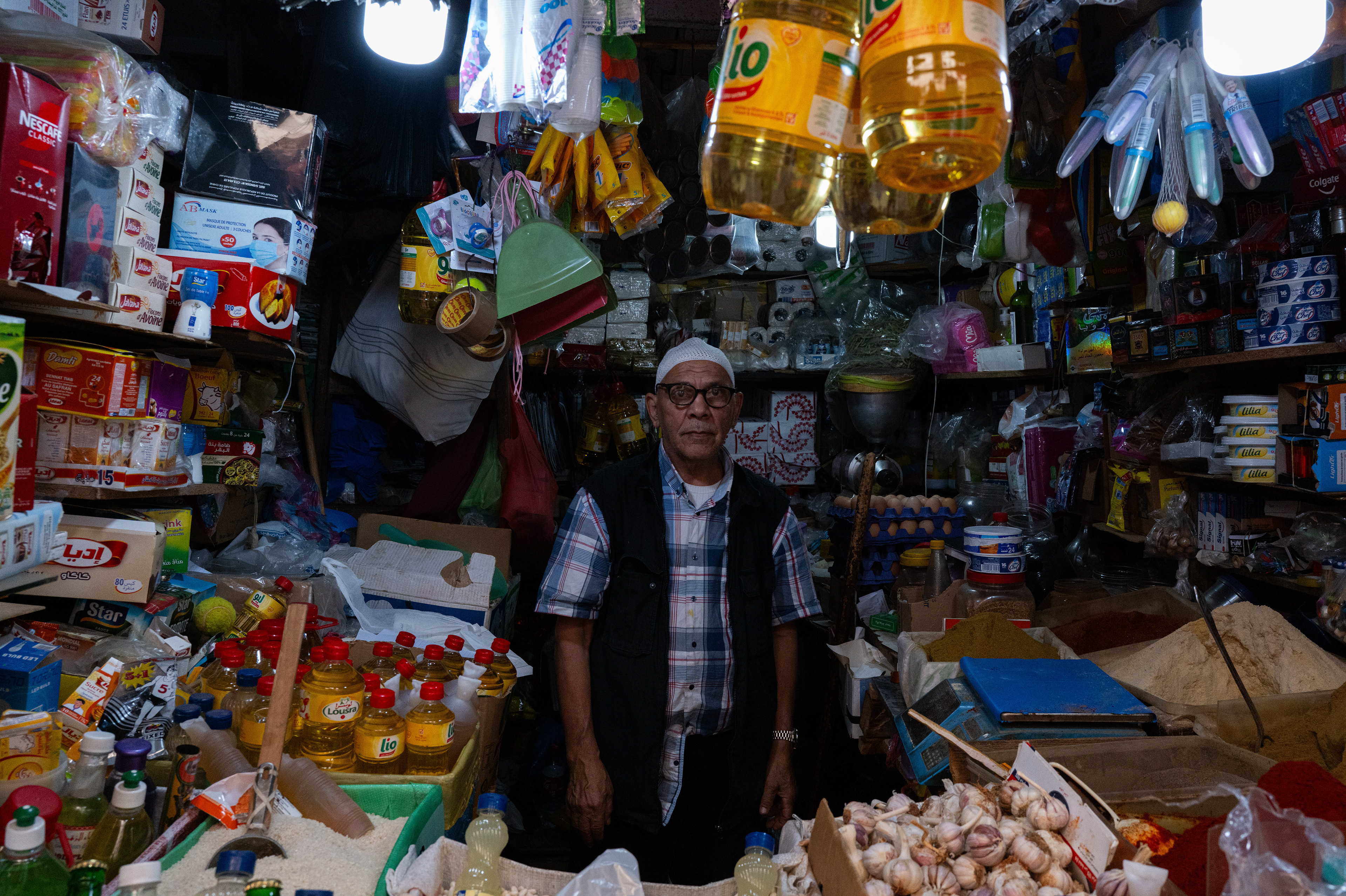
In the Moroccan medinas, merchants are the beating heart of everyday life. Their shops, often passed down from generation to generation, open onto narrow, lively alleys where trade is still rooted in human relationships, in a person’s word, and in the art of negotiation.
Many merchants live within or near the medina, leading simple lives that are deeply embedded in the community. Their days begin early and follow the rhythm of prayer, the flow of visitors, and the tourist seasons. The work is demanding, yet punctuated by moments of social exchange, mint tea, and long-standing relationships with fellow traders and regular customers.
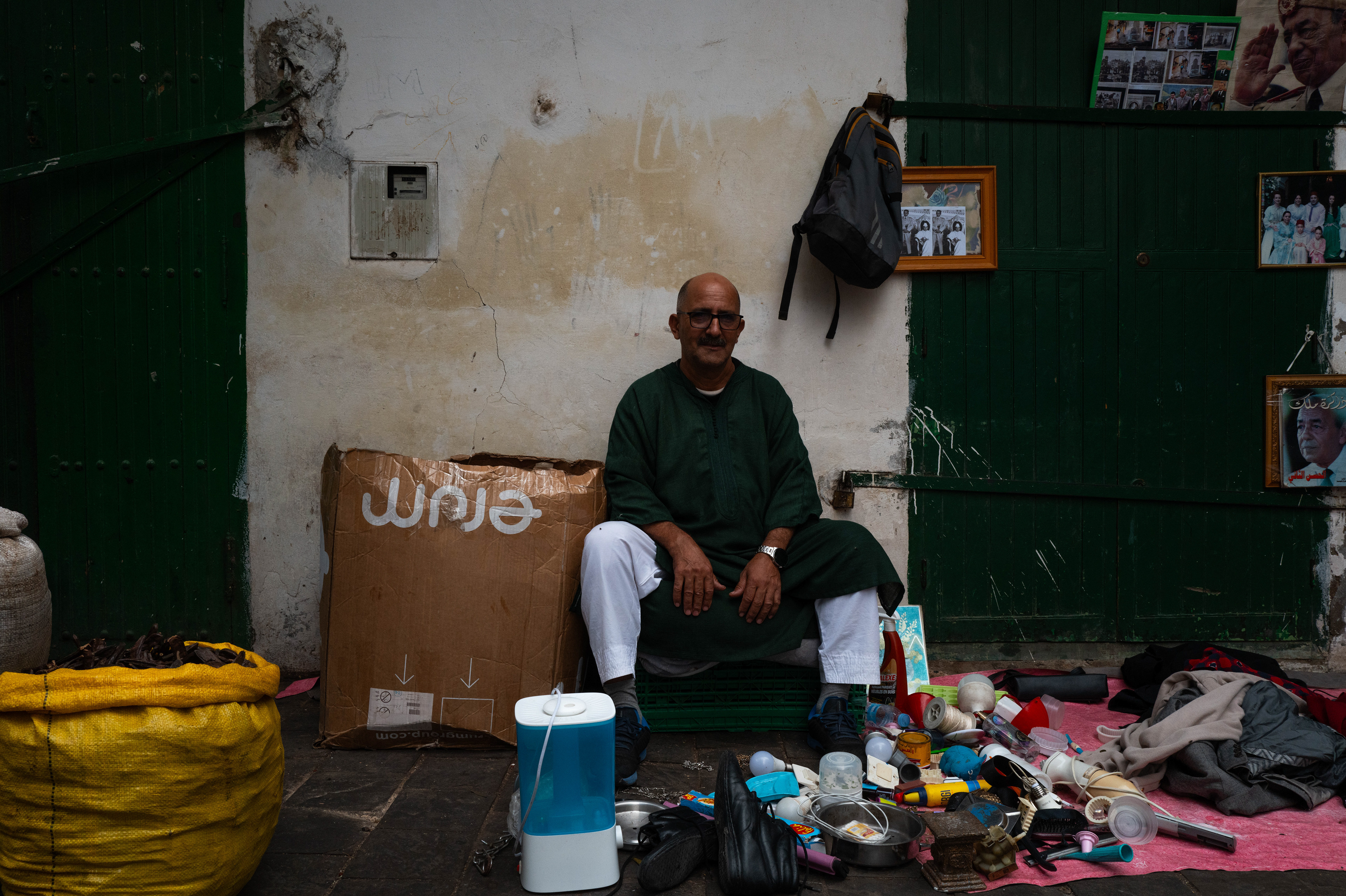
People in the Medinas
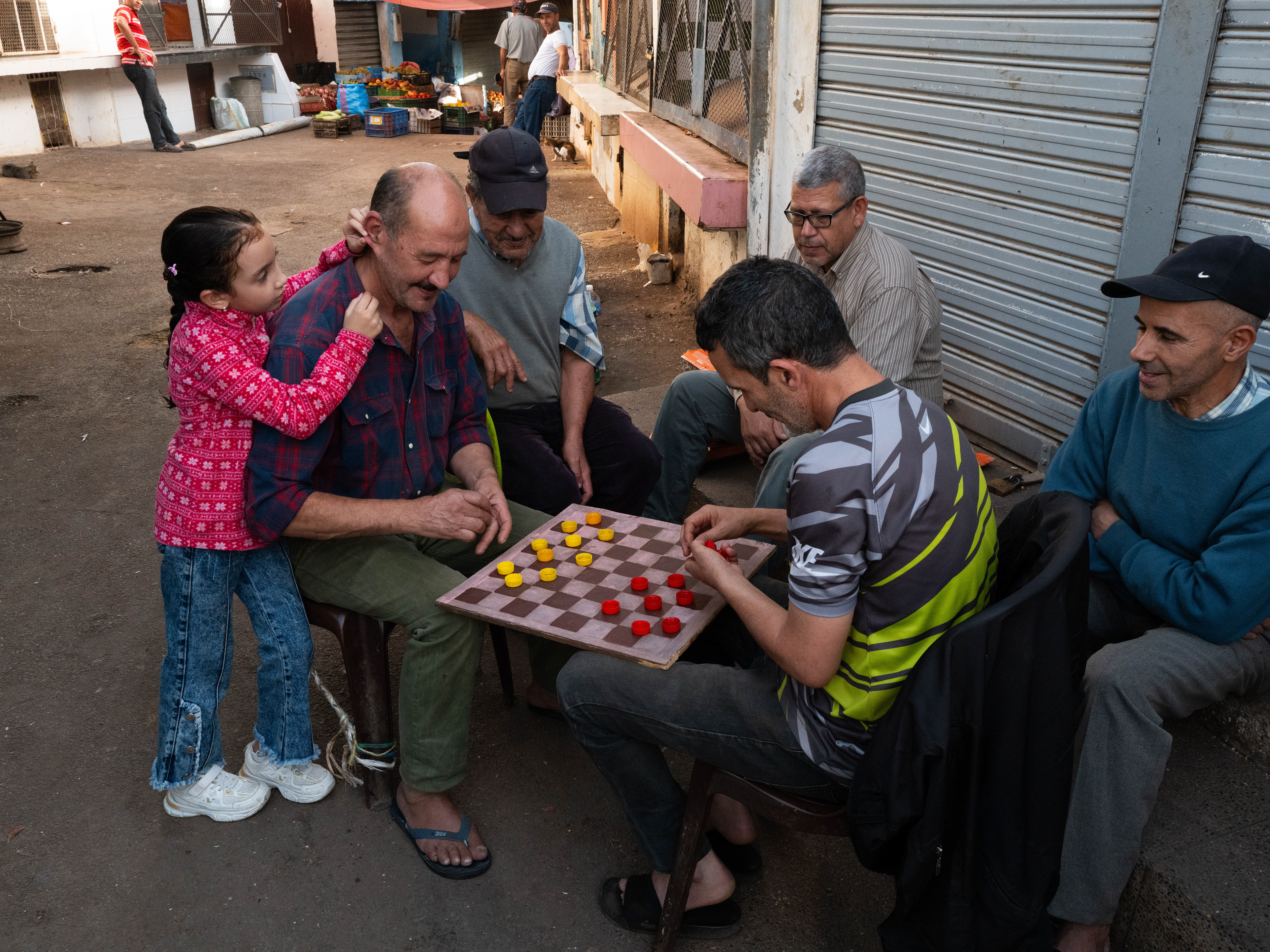
In the medinas, it’s not just about trade and craftsmanship; there is also a lot of life.
WORK IN PROGRESS